
Table of Contents
ToggleInterior design ideas for beginners don’t need to feel overwhelming. With a few practical principles, anyone can create a space that looks polished and feels like home. This guide breaks down the essentials, from color palettes to furniture layouts, so first-time decorators can approach their projects with confidence. Whether someone is moving into a new apartment or refreshing a tired living room, these straightforward tips provide a solid foundation for making design decisions that actually work.
Key Takeaways
- Interior design ideas for beginners start with mastering core principles like balance, scale, focal points, and rhythm to create intentional spaces.
- Use the 60-30-10 color rule—60% dominant color, 30% secondary, and 10% accent—to achieve visual interest without overwhelming a room.
- Arrange furniture to create conversation areas and clear pathways, keeping at least 30–36 inches for main walkways.
- Layer multiple textures (leather, velvet, wood, metal) and use three types of lighting (ambient, task, accent) to add depth and warmth.
- Prioritize function over aesthetics by considering how you’ll actually use each space before making design decisions.
- Stretch your budget by mixing investment pieces with thrifted finds, DIY projects, and creative repurposing of items you already own.
Understanding Basic Design Principles
Every successful room starts with a few core design principles. These aren’t fancy rules reserved for professionals, they’re practical guidelines that help any space feel intentional.
Balance refers to how visual weight gets distributed in a room. A large sofa on one side of a living room, for example, might need a substantial bookshelf or pair of chairs on the opposite side to feel grounded. There are two main types: symmetrical balance (matching items on each side) and asymmetrical balance (different items with similar visual weight).
Scale and proportion matter more than most beginners realize. A tiny coffee table in front of a massive sectional will look awkward. Furniture should relate to both the room size and to each other. A good rule of thumb: measure before buying anything.
Focal points give a room purpose. This could be a fireplace, a large window, or even a bold piece of art. Once a focal point is established, other elements in the room should support it rather than compete with it.
Rhythm creates visual flow through repetition of colors, patterns, or shapes. If a throw pillow features blue, maybe a vase or a piece of artwork echoes that same shade. This creates cohesion without being too matchy-matchy.
These interior design ideas for beginners form the backbone of any well-designed space. Master them, and the rest becomes much easier.
Choosing a Color Palette That Works
Color can make or break a room. But choosing a palette doesn’t require an art degree, just a bit of strategy.
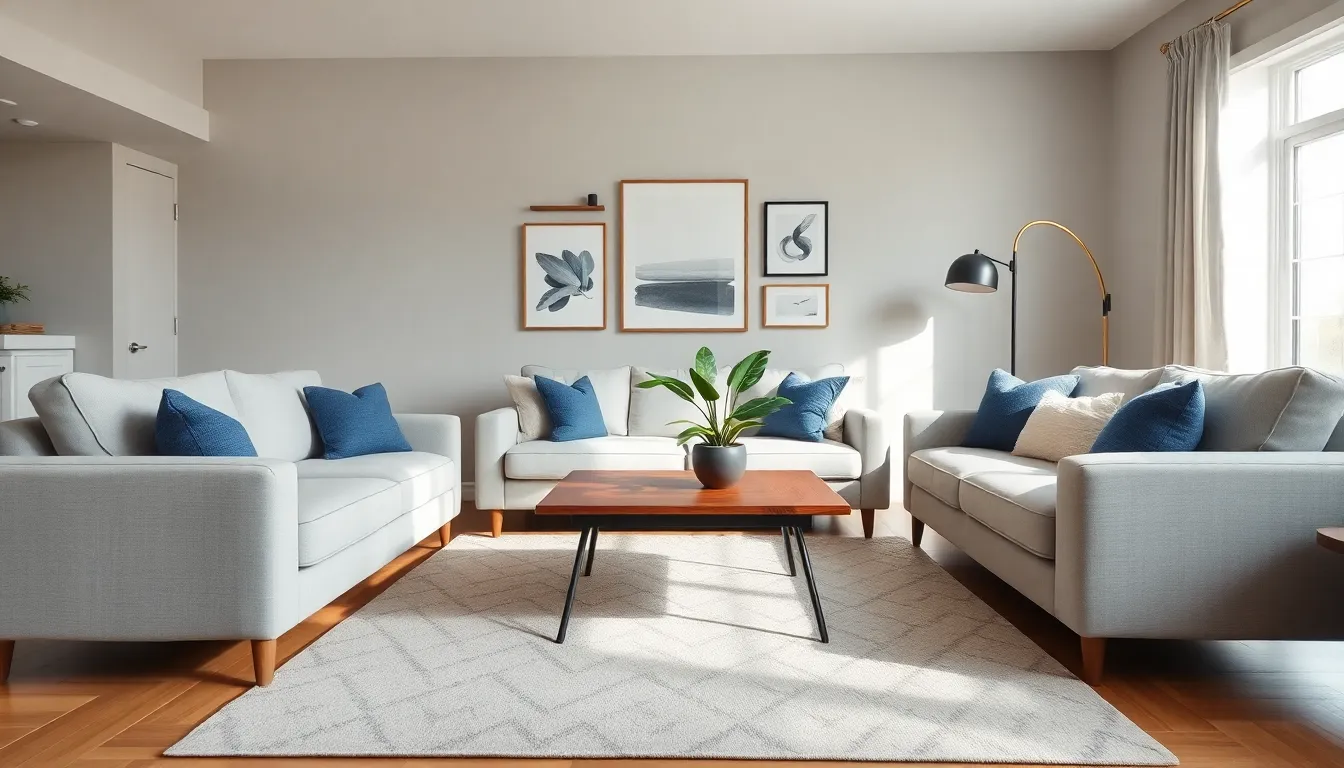
Start with the 60-30-10 rule. This classic formula suggests using a dominant color for 60% of the room (usually walls and large furniture), a secondary color for 30% (curtains, accent chairs, bedding), and an accent color for the remaining 10% (throw pillows, decor, artwork). This ratio creates visual interest without chaos.
Neutrals work well as a base. Whites, grays, beiges, and tans provide flexibility and make it easy to swap out accent pieces later. For those nervous about color, starting with a neutral foundation and adding pops of one bold hue is a safe approach.
Consider the room’s natural light. North-facing rooms tend to receive cooler light, so warmer tones can balance that out. South-facing rooms get more warmth, making cool colors like blues and greens particularly effective.
For beginners exploring interior design ideas, testing paint samples on the actual walls is essential. Colors look different depending on lighting conditions and surrounding furniture. Paint a small section and observe it at different times of day before committing.
Platforms like Pinterest or design apps can help visualize combinations before purchasing anything. There’s no shame in borrowing ideas from rooms that already work.
Furniture Arrangement and Layout Tips
Furniture placement affects how a room functions and feels. Poor layout makes even beautiful pieces look out of place.
Create conversation areas. In living rooms, arrange seating so people can talk without shouting across the room. Sofas and chairs should face each other or angle toward a central point. Avoid pushing all furniture against the walls, floating pieces in the center of a room often creates a more inviting atmosphere.
Leave clear pathways. Traffic flow matters. There should be enough space to walk through a room without bumping into furniture. Aim for at least 30 to 36 inches for main walkways.
Anchor with rugs. Area rugs help define spaces within a room. In a living room, the front legs of sofas and chairs should sit on the rug. In dining rooms, the rug should extend at least 24 inches beyond the table so chairs remain on it even when pulled out.
Think about function first. How will the room actually be used? A family with young kids needs durable, easy-to-clean surfaces and open floor space. A home office requires good desk placement relative to windows and outlets. Interior design ideas for beginners should always prioritize real-life use over aesthetics alone.
Before moving heavy furniture, sketch out a floor plan or use free online room planners. This saves time and sore backs.
Incorporating Texture and Lighting
Texture and lighting add depth to a room. Without them, spaces can feel flat, even with great furniture and colors.
Layer textures to create visual interest. A leather sofa paired with a chunky knit throw and velvet pillows feels richer than matching fabrics throughout. Mix smooth surfaces (glass, metal) with rougher ones (wood, woven baskets). This contrast keeps the eye engaged.
Texture also affects how colors appear. Matte finishes absorb light and look softer, while glossy surfaces reflect it and appear brighter. Playing with both can add dimension to a single-color scheme.
Lighting deserves serious attention. Most rooms need three types:
- Ambient lighting provides overall illumination (ceiling fixtures, recessed lights)
- Task lighting serves specific functions (desk lamps, reading lights, under-cabinet kitchen lights)
- Accent lighting highlights features or creates mood (wall sconces, picture lights, candles)
Relying on a single overhead fixture is a common mistake. Multiple light sources at different heights make a room feel warmer and more dynamic. Dimmer switches offer flexibility for different times of day.
For those just starting with interior design ideas for beginners, swapping out builder-grade fixtures for more stylish options provides an instant upgrade. It’s one of the easiest changes with the biggest visual payoff.
Budget-Friendly Decorating Strategies
Great design doesn’t require a huge budget. Creativity and patience often matter more than money.
Thrift stores and estate sales offer quality furniture at a fraction of retail prices. Solid wood pieces from decades past often outperform modern flat-pack alternatives. A coat of paint or new hardware can transform dated finds into statement pieces.
DIY where it makes sense. Painting walls, updating cabinet hardware, sewing simple curtains, these projects save money and add personal touches. YouTube tutorials make even intimidating tasks approachable.
Invest strategically. Spend more on items used daily (a comfortable sofa, a quality mattress) and save on decorative accessories. Trendy throw pillows will get replaced in a few years anyway, so there’s no need to splurge.
Shop your own home. Sometimes rearranging existing pieces or moving items between rooms creates a fresh look without spending anything. That vase stuck in a bedroom closet might be perfect for the entryway.
Plants add life cheaply. Even inexpensive houseplants bring color, texture, and warmth to a room. Pothos, snake plants, and spider plants thrive with minimal care.
Interior design ideas for beginners often focus on buying new things, but the smartest approach mixes investment pieces, thrifted finds, DIY projects, and creative repurposing.